

Best Time to Climb Mount Toubkal: A Seasonal Guide
The Best Time to Climb Mount Toubkal depends on the type of mountain conditions you are looking for, your experience, and the season. Mount Toubkal, located in Morocco’s High Atlas Mountains, reaches approximately 4,167 metres and offers very different conditions throughout the year. For general trekking conditions, spring and early autumn are commonly regarded as favorable periods, while winter brings snow and more demanding mountain conditions.
For travelers researching the High Atlas, Trekking Atlas Mountain provides information about the landscapes, routes, villages, and seasonal character of the region to help visitors understand what to expect before planning mountain travel.
When Is the Best Time to Visit Mount Toubkal?
There is no single perfect month for everyone. The best period depends largely on whether you prefer relatively mild trekking conditions, warmer summer weather, or a snow-covered alpine environment.
As a general overview:
- April to May: Spring conditions, with greener valleys and possible snow at higher elevations.
- June to August: Generally drier and warmer, although lower elevations can become hot.
- September to October: Cooler conditions and often favorable visibility, making autumn a popular period for mountain trekking.
- November to March: Winter conditions become increasingly important at high altitude, with snow and ice possible.
The Moroccan National Tourist Office describes the Atlas region as suitable for outdoor activities throughout different seasons, while conditions naturally vary with altitude.
Mount Toubkal in Spring: April to May
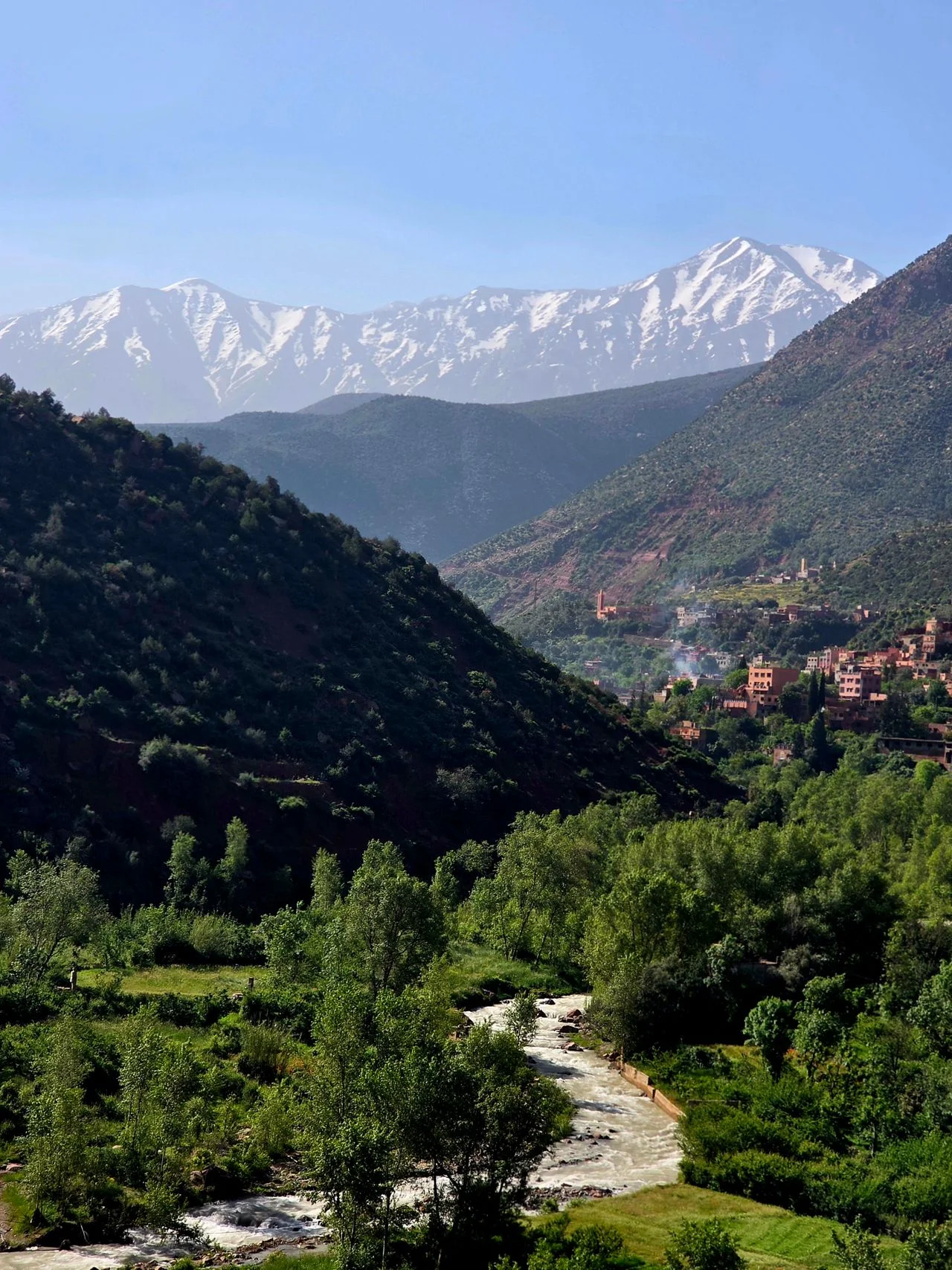
Spring transforms the lower Atlas landscapes. Valleys become greener, temperatures are generally more comfortable than during the hottest part of summer, and higher sections of the mountain can still retain snow.
This creates a major difference between the valley and summit environments. A visitor may experience relatively mild weather around lower villages while encountering considerably colder conditions higher on the mountain.
For this reason, spring should not automatically be considered a snow-free season. Recent traveler reports also show that snow and icy conditions can persist at higher elevations into spring.
Mount Toubkal in Summer: June to August
Summer is generally associated with drier weather and long daylight hours. However, temperatures around lower elevations can be high, particularly during the middle of the day.
The altitude makes the environment considerably cooler near the summit than in Marrakech or the surrounding valleys. Even during warmer months, mountain weather can change quickly.
For anyone researching a summer visit, it is important to understand that valley temperatures do not represent summit conditions.
Mount Toubkal in September and October
For many travelers, September and October are among the most attractive months for experiencing the High Atlas.
September can retain some summer characteristics, particularly in the valleys, while temperatures gradually become cooler. October continues the transition toward autumn, with increasingly cold conditions at higher elevations.
Recent regional weather information indicates that September often has relatively mild conditions in the valleys, while the possibility of snow at the highest elevations increases later in autumn.
This makes September and October particularly interesting for people researching autumn trekking in Morocco, although actual mountain conditions should always be checked close to the travel date.
Mount Toubkal in November
November marks a stronger transition toward winter.
Higher elevations can become significantly colder, and early winter weather may affect the mountain environment. Snow can begin appearing on the highest peaks, while temperatures above 3,000 metres can become very cold.
The difference between early and late November can therefore be significant. Travelers should not assume that conditions remain similar throughout the month.
Mount Toubkal in Winter: December to March
Winter creates a completely different mountain environment.
Snow and ice can cover higher sections, temperatures are much lower, and mountain conditions can become considerably more demanding. Winter ascents are generally associated with experienced mountaineers and appropriate professional support and equipment.
This is not simply the same trek with colder weather. Snow, ice, visibility, wind, and rapidly changing mountain conditions can significantly alter the nature of the route.
Mount Toubkal Month-by-Month Overview
| Month | General conditions | Overall character |
|---|---|---|
| January | Winter, cold, snow possible | Alpine/winter |
| February | Winter, cold, snow possible | Alpine/winter |
| March | Transition toward spring | Variable |
| April | Spring conditions | Mild at lower elevations, snow possible higher up |
| May | Spring | Generally favorable, but altitude matters |
| June | Warmer and generally drier | Summer |
| July | Hotter lower down | Summer |
| August | Hot lower elevations | Summer |
| September | Cooler transition | Autumn |
| October | Mild-to-cool transition | Autumn |
| November | Increasingly cold | Late autumn/winter transition |
| December | Winter | Cold and potentially snowy |
These are broad seasonal patterns rather than guarantees. Mountain weather can vary considerably from one year to another.
What Makes September and October Special?
September and October are particularly interesting for visitors interested in the High Atlas because they sit between the hottest part of summer and the colder winter period.
During this period, travelers can experience:
- Cooler temperatures than midsummer
- Autumn landscapes
- Mountain villages and valleys
- Potentially clear mountain views
- Changing conditions at higher elevations
- A transition from dry summer weather toward winter
However, conditions at 4,000+ metres should always be treated separately from conditions in Marrakech or the lower valleys.
Does the Best Time Depend on Your Experience?
Yes.
A person interested in seeing the Atlas Mountains and enjoying lower-elevation landscapes has different considerations from an experienced mountaineer interested in winter conditions.
The higher the route goes, the more important altitude, weather, snow, wind, visibility, and professional assessment become.
For visitors unfamiliar with high-altitude mountain environments, obtaining current local information and following professional mountain guidance is important.
What Should You Know Before Visiting Mount Toubkal?
Mount Toubkal is not simply a sightseeing location. Its high elevation means conditions can be very different from those experienced at the base of the mountain.
Before any mountain activity, visitors should consider:
- Current weather and trail conditions
- Altitude and individual experience
- Seasonal snow and ice conditions
- Appropriate clothing for changing temperatures
- Professional local guidance where appropriate
- Official local regulations and access requirements
- Emergency and weather information
The Moroccan National Tourist Office describes Mount Toubkal as a physically challenging mountain experience and notes that typical trekking itineraries can take two or three days.
Frequently Asked Questions
What is the best time to climb Mount Toubkal?
For generally milder trekking conditions, spring and early autumn are commonly considered favorable periods, particularly around April–May and September–October. Conditions vary by year and elevation.
Is September a good month for Mount Toubkal?
September can offer a good combination of relatively mild valley temperatures and cooler mountain conditions. However, conditions at higher elevations can change quickly, so current weather information remains important.
Is October a good month to visit Mount Toubkal?
October is generally considered an attractive autumn month for the High Atlas. Temperatures become cooler as the month progresses, and winter conditions can begin appearing at higher elevations later in the season.
Can Mount Toubkal be visited in winter?
Yes, the mountain can be visited in winter, but snow and ice can substantially change the conditions. Winter mountain travel requires considerably more experience and appropriate professional support than a standard summer trek.
Is Mount Toubkal warm in summer?
Lower areas can become hot during summer, while temperatures are substantially cooler at high altitude. Visitors should not use Marrakech or valley temperatures as an indication of conditions near the summit.
What is the highest point of Mount Toubkal?
Mount Toubkal reaches approximately 4,167 metres (13,671 feet) above sea level and is the highest mountain in Morocco and North Africa.
Does Mount Toubkal have snow?
Yes. Snow can occur at high elevations, particularly during winter and transitional periods. Snow can also remain at higher elevations during parts of spring, depending on conditions.
Is Mount Toubkal suitable for everyone?
No. A high-altitude mountain environment presents challenges that differ from ordinary hiking. Fitness, experience, weather, altitude, and seasonal conditions all matter. Visitors should assess their circumstances carefully and seek qualified local advice.
Final Thoughts
Choosing the Best Time to Climb Mount Toubkal means looking beyond the calendar. The Atlas Mountains have several distinct seasons, and conditions can differ dramatically between Imlil, the surrounding valleys, and the summit.
For many visitors researching the region, April–May and September–October provide interesting seasonal windows, while summer offers warmer and generally drier conditions and winter creates a much more demanding snow-covered environment.
At Trekking Atlas Mountain, understanding these seasonal differences is an essential part of responsible mountain tourism. Always check current conditions and official local guidance before undertaking high-altitude mountain activities.
Explore the Atlas Mountains responsibly, respect the mountain environment, and plan around real conditions rather than relying only on a calendar.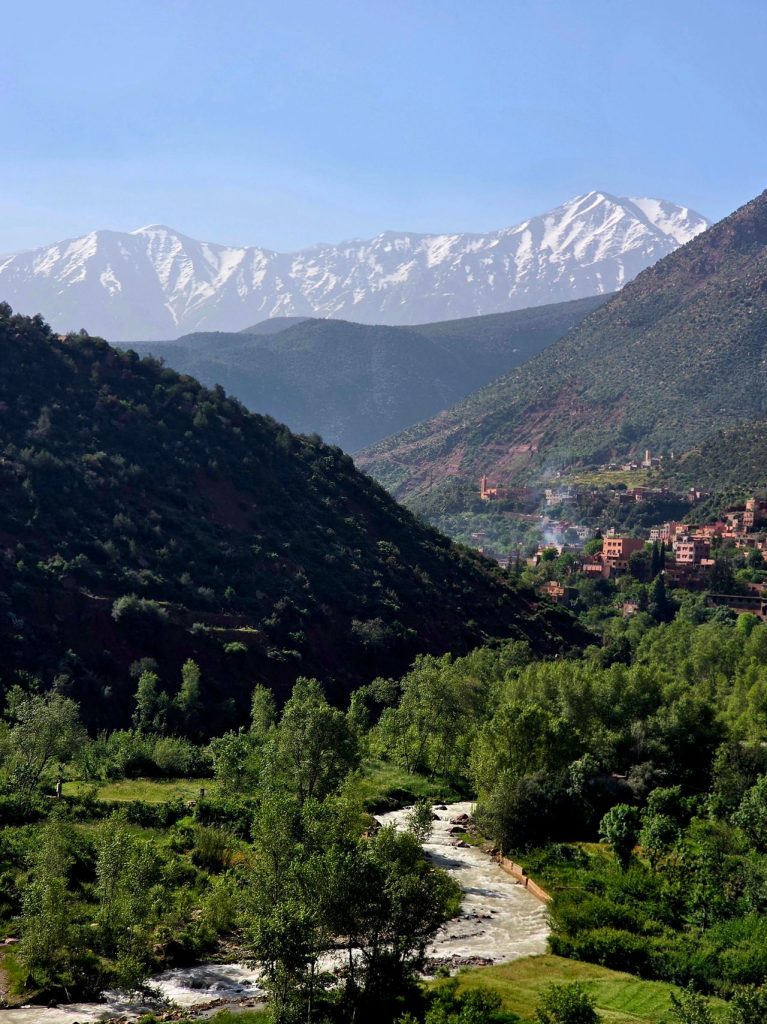

 Previous Post
 Next Post