

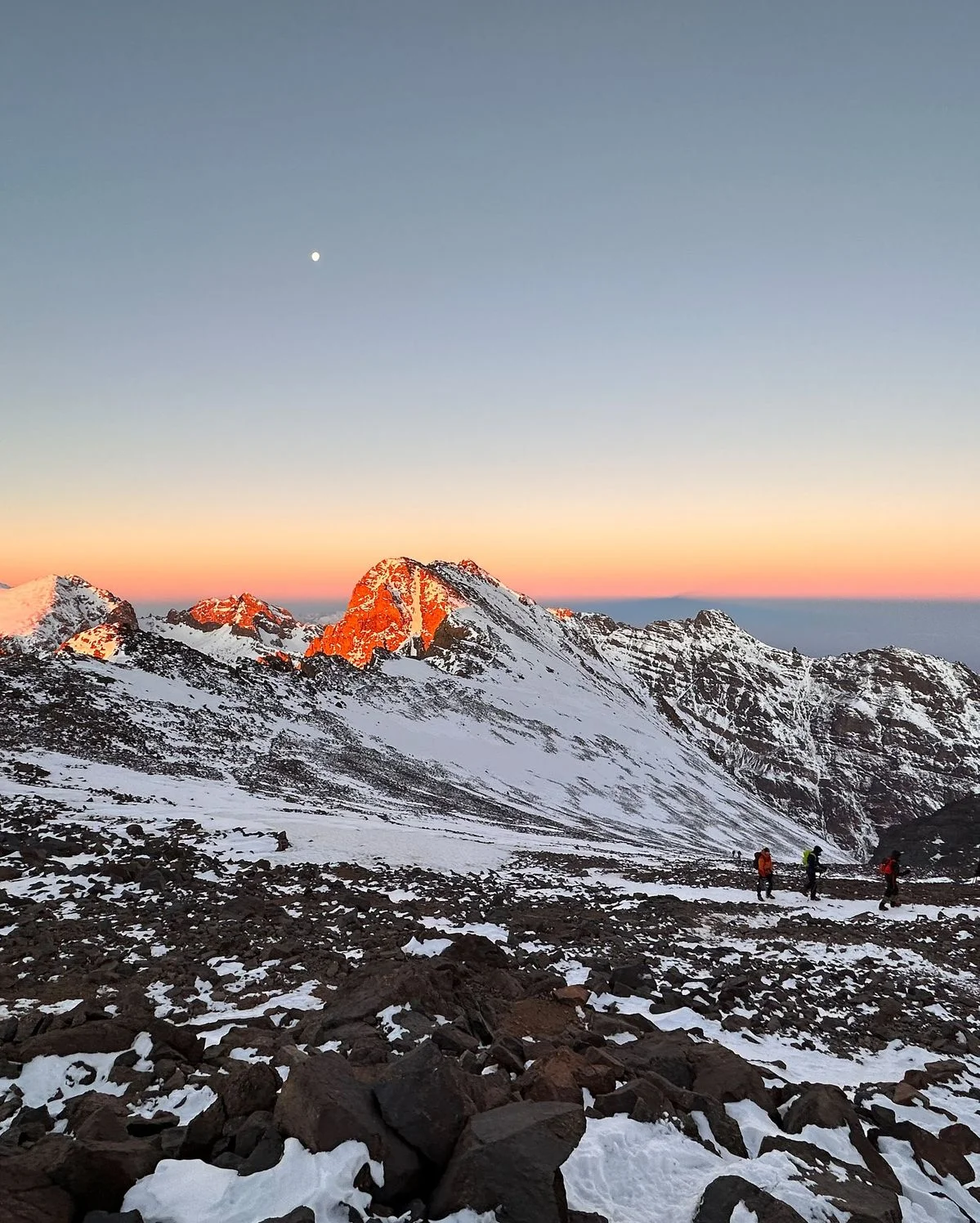
Is Mount Toubkal Hard to Climb? A First-Timer’s Guide to North Africa’s Highest Peak
How Hard Is It to Climb Mount Toubkal?
Standing proudly at 4,167 meters (13,671 feet), Mount Toubkal is the highest mountain in Morocco and North Africa. Every year, thousands of adventurers set out to conquer its summit, but one question appears more than any other: How hard is it to climb Mount Toubkal?
At Trekking Atlas Mountains, we’ve guided travelers from around the world to the summit, including complete beginners with little mountain experience. The truth is that Mount Toubkal is physically demanding but technically straightforward, making it one of the most accessible 4,000-meter peaks in the world.
In this comprehensive guide, you’ll learn everything about Mount Toubkal difficulty, altitude sickness, fitness requirements, training recommendations, and whether this iconic trek is the right challenge for you.
Quick Answer: Is Mount Toubkal Difficult?
For most hikers, Mount Toubkal is considered a moderate to challenging trek, primarily because of its altitude rather than technical climbing.
Here’s a quick overview:
| Difficulty Factor | Rating |
|---|---|
| Technical Climbing | Easy |
| Physical Fitness | Moderate to High |
| Endurance Required | High |
| Navigation | Easy (with guide) |
| Altitude Challenge | High |
| Overall Difficulty | Moderate-Challenging |
Unlike famous peaks that require ropes, ice axes, or climbing experience, Mount Toubkal is essentially a long mountain hike during most of the year.
Why Is Mount Toubkal Challenging?
Several factors contribute to the Mount Toubkal difficulty.
1. High Altitude
The biggest challenge isn’t the terrain.
It’s the elevation.
At 4,167 meters, oxygen levels are approximately 40% lower than at sea level. Even fit hikers can feel:
- Shortness of breath
- Faster heartbeat
- Fatigue
- Headaches
- Reduced stamina
Most first-time trekkers underestimate how much altitude affects their body.
2. Long Hiking Days
The classic itinerary includes two demanding days.
Day 1
- Around 10-11 km
- 1,400 meters elevation gain
- 5 to 7 hours hiking
Summit Day
- 8 to 10 hours round trip
- Nearly 1,000 meters ascent
- Rocky mountain terrain
- Early morning departure
The distance isn’t extreme, but the elevation gain makes every step more demanding.
3. Rocky Terrain
The trail is well-established but includes:
- Loose rocks
- Boulder fields
- Steep switchbacks
- Uneven mountain paths
Good hiking boots are essential.
4. Weather Conditions
Weather changes quickly in the High Atlas Mountains.
Even during summer, temperatures at the summit can be close to freezing before sunrise.
Winter brings:
- Snow
- Ice
- Strong winds
- Technical equipment requirements
Is Mount Toubkal Technical?
One of the best aspects of climbing Toubkal is that technical climbing skills are usually unnecessary.
During the trekking season (April to October), most hikers simply need:
- Hiking boots
- Trekking poles
- Warm clothing
- Good physical fitness
Winter ascents (November to April) can require:
- Crampons
- Ice axe
- Winter mountaineering experience
- Professional guides
Can Beginners Climb Mount Toubkal?
Yes.
A Toubkal trek for beginners is absolutely possible if you prepare properly.
Many successful climbers have never climbed a mountain over 3,000 meters before.
You’ll have a much better experience if you:
- Exercise regularly
- Prepare for uphill walking
- Pace yourself
- Stay hydrated
- Follow your guide’s advice
Previous trekking experience helps but isn’t mandatory.
Mount Toubkal Altitude Sickness: What You Should Know
One of the biggest concerns is Mount Toubkal altitude sickness.
Anyone can experience altitude sickness regardless of age or fitness level.
Common symptoms include:
- Headache
- Nausea
- Dizziness
- Loss of appetite
- Trouble sleeping
- Fatigue
How to Reduce the Risk
- Drink plenty of water
- Avoid alcohol before the climb
- Ascend gradually
- Eat regularly
- Walk at a steady pace
- Sleep well before the trek
Professional guides continuously monitor hikers and can recognize early warning signs.
How Fit Do You Need to Be?
You don’t need to be an athlete.
However, you should comfortably complete activities such as:
- Hiking for 6-8 hours
- Climbing long staircases
- Walking uphill with a backpack
- Moderate cardio workouts
If you can complete a full-day hike without major difficulty, you’re likely capable of climbing Mount Toubkal with proper pacing.
Training for Mount Toubkal
The best training for Mount Toubkal begins 6 to 8 weeks before your trip.
Focus on:
Cardio
- Running
- Cycling
- Swimming
- Fast walking
- Stair climbing
Aim for 3-4 sessions each week.
Leg Strength
Include exercises like:
- Squats
- Lunges
- Step-ups
- Calf raises
Strong legs reduce fatigue on steep ascents.
Hiking Practice
Nothing replaces actual hiking.
Practice on hills while carrying a small backpack.
Increase distance gradually.
Endurance
Try one long hike every weekend.
Your goal should be spending several hours continuously on your feet.
Best Time to Climb Mount Toubkal
The easiest conditions are generally found during:
Spring
- April
- May
Comfortable temperatures and beautiful scenery.
Summer
- June
- July
- August
Warm days with cool summit mornings.
Excellent for beginners.
Autumn
- September
- October
Stable weather and fewer crowds.
Winter
Beautiful but significantly more challenging due to snow and ice.
How Long Does It Take?
The classic itinerary is:
Day 1
Imlil → Refuge
5-7 hours
Day 2
Refuge → Summit → Imlil
8-10 hours
Some experienced hikers complete the trek in one day, but this is not recommended for first-time visitors.
What Should You Pack?
Essential gear includes:
- Waterproof hiking boots
- Trekking poles
- Warm jacket
- Thermal layers
- Hat and gloves
- Sunglasses
- Sunscreen
- Reusable water bottles
- Snacks
- Headlamp
- Small backpack
Layering is key because temperatures vary greatly throughout the trek.
Why Trek with an Experienced Local Guide?
Hiring an experienced guide offers several advantages:
- Better route knowledge
- Safer navigation
- Altitude monitoring
- Local cultural insights
- Emergency support
- A more enjoyable overall experience
Professional guides also help you maintain the right pace to reduce fatigue and improve your chances of reaching the summit comfortably.
Is Mount Toubkal Worth Climbing?
Absolutely.
The reward is far greater than simply reaching North Africa’s highest point.
You’ll experience:
- Spectacular Atlas Mountain landscapes
- Traditional Amazigh (Berber) villages
- Incredible sunrise views
- A genuine sense of achievement
- One of Morocco’s greatest outdoor adventures
For many travelers, the climb becomes the highlight of their Moroccan journey.
Final Verdict: How Hard Is It to Climb Mount Toubkal?
If you’re wondering how hard it is to climb Mount Toubkal, the answer is reassuring: it is challenging but achievable for most reasonably fit people.
The biggest obstacle isn’t technical climbing—it’s adapting to the altitude and maintaining steady endurance over long hiking days. With proper preparation, the right equipment, and guidance from experienced professionals, even first-time trekkers can successfully reach the summit.
At Trekking Atlas Mountains, we specialize in safe, professionally guided Mount Toubkal adventures tailored to different fitness levels. Our experienced local team provides expert guidance, carefully planned itineraries, and personalized support to help you enjoy every step of your journey to the highest peak in North Africa.
Frequently Asked Questions (FAQ)
How hard is it to climb Mount Toubkal?
Mount Toubkal is considered moderately challenging. The trek does not require technical climbing skills during the main trekking season, but the high altitude and long hiking days make it physically demanding.
Can beginners climb Mount Toubkal?
Yes. Many beginners successfully summit Mount Toubkal each year with proper preparation, a reasonable level of fitness, and guidance from experienced local guides.
Do I need climbing experience?
No. Most climbers only need hiking experience and good physical fitness. Winter ascents may require mountaineering equipment and additional skills due to snow and ice.
Is altitude sickness common on Mount Toubkal?
Some trekkers experience mild altitude sickness because the summit reaches 4,167 meters. Staying hydrated, ascending at a steady pace, eating well, and allowing your body time to adjust can help reduce the risk.
How should I train for Mount Toubkal?
Start training at least six weeks before your trek. Focus on cardio exercises, leg-strength workouts, endurance hikes, and walking uphill with a backpack to prepare for the elevation gain.
What is the best time to climb Mount Toubkal?
The most popular months are April to October, when trails are generally free of snow and conditions are more suitable for beginners. Winter climbs are possible but are significantly more demanding.
How many days does the trek take?
The standard Mount Toubkal trek takes two days, with an overnight stay at the mountain refuge before the summit push. Longer itineraries are available for those who want a slower pace or additional acclimatization.
Is Mount Toubkal harder than Kilimanjaro?
Mount Toubkal is shorter and typically completed in two days, while Kilimanjaro involves several days of trekking for acclimatization. Although Toubkal has steeper sections, Kilimanjaro generally presents a greater endurance and altitude challenge due to its higher elevation and longer duration.
👉 Read our Google Reviews and discover why travelers trust Trekking Atlas Mountains for their Morocco trekking adventure.

 Previous Post
 Next Post