👉 Read our Google Reviews and discover why travelers trust Trekking Atlas Mountains for their Morocco trekking adventure.High Atlas vs. Sahara Desert Trekking: Which Morocco Adventure is Right for You?
Morocco is one of the world’s most visually diverse trekking destinations. Within a single country, you can scale towering, snow-capped alpine peaks or walk through vast, silence-soaked desert dunes.
If you are planning an active holiday here, you face a classic dilemma: Should you head up into the High Atlas Mountains, or venture deep into the Sahara Desert?
Both landscapes offer world-class trekking, but they require entirely different mindsets, gear, and physical preparation. As the local experts at Trekking Atlas Mountains, we’ve guided thousands of travelers through both terrains.
This ultimate comparison guide breaks down the terrain, difficulty, seasonality, and cultural experiences of High Atlas vs. Sahara trekking to help you choose your perfect Moroccan adventure.
1. The Landscapes & Vibe
High Atlas Mountains: The Alpine High
Trekking in the High Atlas feels like stepping into a rugged, high-altitude world. You’ll trail past sheer rock faces, deep gorges, terrace fields, and rushing rivers. The crowning jewel here is Mount Toubkal, North Africa’s highest peak ($4,167\text{ m}$). The vibe is dramatic, monumental, and physically invigorating.
Sahara Desert: The Endless Horizon
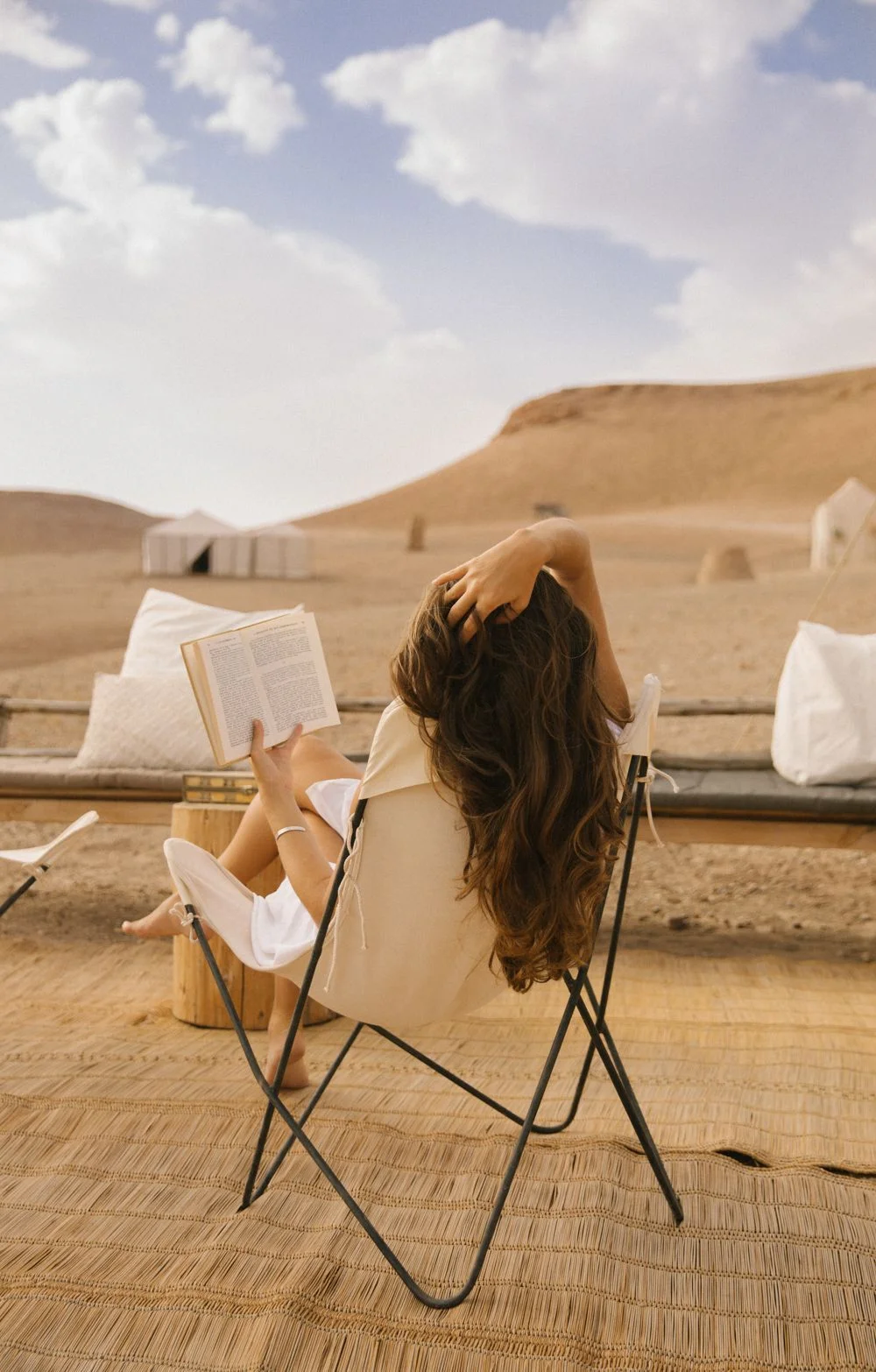
Desert trekking—often called a mechouar or camel caravan—is all about space, silence, and sky. Whether you choose the massive dunes of Erg Chebbi or the wild, untamed stretches of Erg Chigaga, the landscape feels boundless. The vibe here is meditative, deeply peaceful, and visually mesmerizing as the colors shift from gold to deep crimson at sunset.
2. Difficulty & Physical Demands
Feature High Atlas Trekking Sahara Desert Trekking Physical Intensity Strenuous to Challenging Moderate to Strenuous Terrain Type Steep scree, rocky paths, high-altitude passes Deep, shifting sand, gravel plains (reg) Max Altitude Up to $4,167\text{ m}$ (Altitude sickness possible) Near sea level (No altitude concerns) Primary Challenge Steep vertical climbs and thinner air Walking on soft sand and managing heat If your goal is to push your physical limits, bag a major summit, and tackle steep vertical switchbacks, a High Atlas trek with Trekking Atlas Mountains is exactly what you’re looking for. If you prefer a steady, endurance-based walking pace where the challenge comes from the environment rather than vertical incline, the Sahara is your match.
3. Seasonality: When Are You Traveling?
Morocco’s diverse geography means that while one region is experiencing extreme weather, the other is in its absolute prime.
Go to the High Atlas in: Spring (March to May) and Autumn (September to November) for perfect trekking weather. Summer (June to August) is excellent for higher peaks like Toubkal to escape the city heat, though valley floors get warm. Winter brings heavy snow, requiring crampons and ice axes.
Go to the Sahara Desert in: October to April. Winter in the desert brings warm, pleasant daytime walking temperatures ($20^\circ\text{C}$ to $25^\circ\text{C}$), though nights drop drastically near freezing. Avoid the Sahara from June to August, as temperatures easily skyrocket past $45^\circ\text{C}$ ($113^\circ\text{F}$), making trekking dangerous.
4. The Cultural Experience & Accommodation
The cultural fabric of your trek changes entirely depending on the geography.
[High Atlas: Amazigh Village Life] ➔ Stay in local gîtes or mountain refuges ➔ Eat hearty mountain tagines
[Sahara Desert: Nomad Caravan Life] ➔ Sleep under canvas tents or open stars ➔ Traditional bread baked in sand
High Atlas: Amazigh (Berber) Village Culture
In the mountains, you walk through living history. The valleys are dotted with ancient clay and stone Amazigh villages terraced into the hillsides. You will likely stay in a gîte (a traditional village guesthouse) or a mountain refuge, drinking mint tea with local families and learning about their centuries-old farming traditions.
Sahara: The Nomad Caravan
In the desert, life moves with the caravan. Your camp is set up fresh every night under a canopy of unforgettable desert stars—with zero light pollution. You will trek alongside local Sahrawi and Amazigh nomads, learn the art of desert navigation, and listen to traditional drumming around a campfire.
Frequently Asked Questions (FAQ)
Can I combine an Atlas Mountain trek and a Sahara trek into one trip?
Yes, absolutely! At Trekking Atlas Mountains, we frequently design custom itineraries that start with a 2-or-3-day trek in the High Atlas valleys and transition via a scenic drive through the Dades Valley straight into a multi-day Sahara desert trek.
How do our bags get transported on these treks?
You only ever need to carry a small daypack with your water, camera, and extra layers. In the High Atlas Mountains, your main luggage is transported by local mules. In the Sahara Desert, your gear is carried by camels.
Is altitude sickness an issue in the High Atlas?
Altitude sickness can occasionally occur when climbing peaks over $3,000\text{ m}$, such as Mount Toubkal. This is why our itineraries include gradual acclimatization days. The Sahara Desert sits at a much lower elevation, meaning altitude is never an issue there.
Which trek is better for families?
For families with younger children, a desert trek or a low-altitude Atlas valley trek (like the Ait Bougmez or Imlil valleys) is ideal. The steep, rocky terrain of the high summit routes is better suited for teenagers and adults with good fitness levels.
The Verdict: Which One Wins?
Choose the High Atlas Mountains if you love alpine scenery, steep physical challenges, bagging peaks, and exploring terraced mountain villages.
Choose the Sahara Desert if you want to unplug from the world, experience the rhythm of a camel caravan, sleep under pristine night skies, and enjoy meditative, open spaces.
Ready to lace up your boots? Whether you want to conquer summits or wander through golden dunes, let our local team handle the logistics. Contact Trekking Atlas Mountains today to customize your authentic Moroccan walking holiday.

 Previous Post
 Next Post