

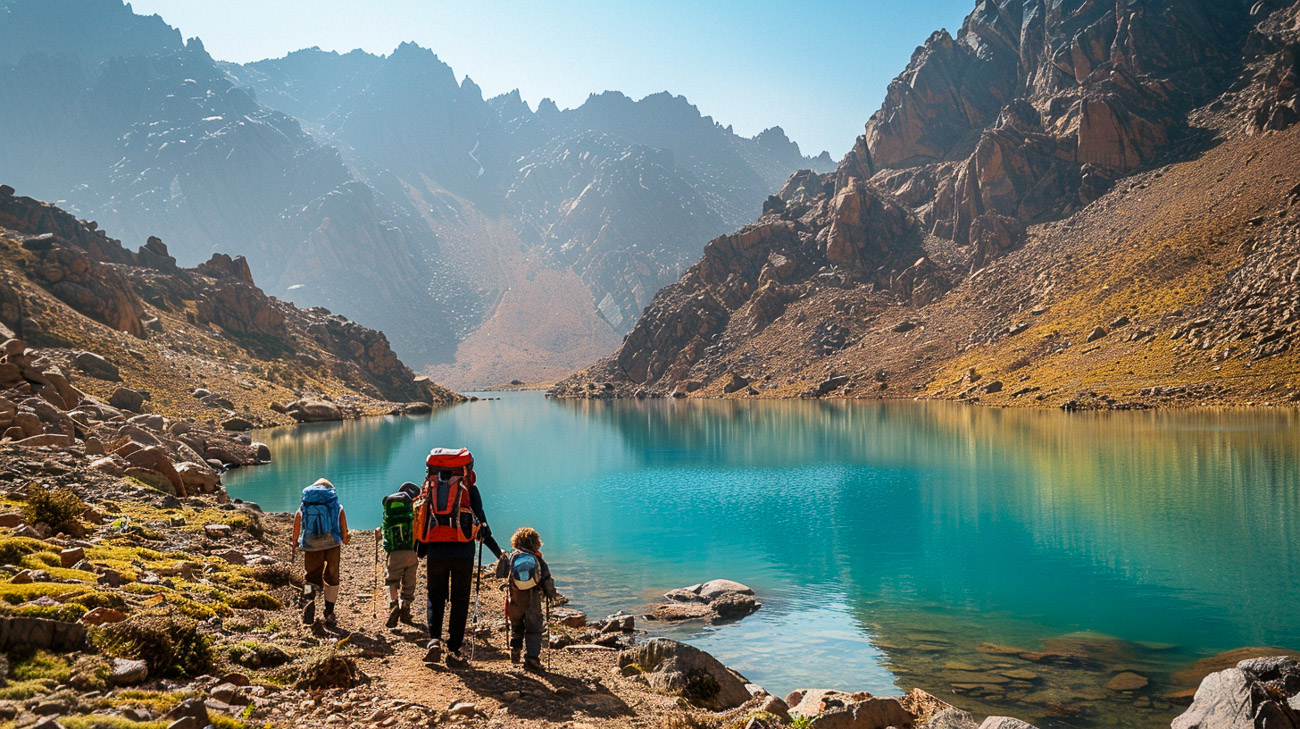
Eco-Adventure & Community-Based Trekking in Morocco: The Future of Sustainable Travel in the Atlas Mountains
For centuries, the Atlas Mountains have stood as Morocco’s silent guardians—snow-capped peaks, lush valleys, and ancient villages where time seems to pause. Today, as global travelers search for authentic and sustainable ways to explore the world, the Atlas Mountains are emerging as the perfect destination for eco-adventure tourism.
At the heart of this shift is Trekking Atlas Mountains, an experience that goes beyond physical activity to embrace culture, community, and conservation.
Why Eco-Adventure Travel is Growing in Morocco
Tourism in Morocco is evolving. While cities like Marrakech, Fes, and Chefchaouen continue to attract millions, travelers are increasingly drawn to meaningful experiences that combine discovery with responsibility. Several factors are driving this trend:
Environmental Awareness – Modern travelers are more conscious of their carbon footprint and seek low-impact activities like trekking, hiking, and cycling.
Desire for Authenticity – Instead of mass tourism, people want intimate moments with locals, unique traditions, and “real” Morocco.
Support for Communities – Travelers prefer to know their money benefits the people they meet, not just large tourism companies.
This is where community-based trekking in the Atlas Mountains becomes the perfect answer.
What Makes Trekking in the Atlas Mountains Unique?
Unlike commercial tours that focus on speed and convenience, eco-trekking in Morocco prioritizes:
Local guides and muleteers: Most are from Berber villages and share stories of their culture, legends, and traditions.
Authentic accommodations: Nights are spent in traditional Berber guesthouses, eco-lodges, or simple mountain refuges, built with local materials.
Farm-to-table meals: Travelers enjoy tajines, couscous, and freshly baked bread prepared with locally sourced ingredients.
Immersive experiences: From joining villagers in baking bread to visiting women’s cooperatives producing argan oil, the journey is about exchange, not just sightseeing.
This approach transforms Trekking Atlas Mountains into a cultural bridge between visitors and locals.
Popular Eco-Trekking Routes in Morocco
Here are some of the most inspiring eco-adventure itineraries that combine breathtaking landscapes with community interaction:
1. Imlil to Mount Toubkal (4,167m)
Known as the “roof of North Africa,” Toubkal attracts trekkers from across the globe.
Eco-option: hiring local muleteers and staying in eco-lodges in Imlil before ascending.
Community experience: visit local schools or join a Berber family meal before the trek.
2. Aït Bougmez Valley (The Happy Valley)
A lush green valley surrounded by peaks, famous for terraced fields and traditional mud-brick houses.
Eco-option: community-run homestays where visitors contribute directly to village income.
Community experience: learn about traditional irrigation systems (khettaras) or try weaving with local artisans.
3. Ourika Valley Trails
Perfect for short treks near Marrakech.
Eco-option: guided hikes led by local youth trained in sustainable tourism.
Community experience: visit women’s cooperatives making herbal cosmetics and handicrafts.
4. Anti-Atlas Hidden Trails
Less crowded than the High Atlas, offering dramatic scenery and ancient granaries.
Eco-option: stays in solar-powered guesthouses that reinvest profits in village schools.
Community experience: storytelling nights with local elders under starry skies.
The Benefits of Community-Based Trekking
For travelers, the benefits of eco-adventure are personal, cultural, and emotional:
Authentic Human Connections – Meet Berber families, learn their customs, and share daily life moments.
Adventure & Wellness – Fresh mountain air, challenging hikes, and healthy organic meals.
Unique Souvenirs – Memories of kindness, stories, and handmade crafts purchased directly from artisans.
For communities, eco-trekking provides:
Economic empowerment – Jobs for guides, muleteers, cooks, and guesthouse owners.
Preservation of traditions – Encouragement for younger generations to maintain ancestral practices.
Sustainable development – Funds reinvested in schools, health centers, and environmental projects.
How Tour Operators Can Promote Eco-Trekking
For Moroccan tour operators and travel agencies, eco-adventure is not just a trend—it’s the future. Here’s how to embrace it:
Partner with locals – Work directly with village cooperatives, artisans, and families.
Highlight sustainability in marketing – Travelers want to know their journey supports a cause.
Offer flexible programs – From one-day hikes to week-long treks, adapt to different fitness levels.
Educate clients – Encourage responsible travel: no plastic bottles, respect local customs, support local businesses.
Bundle experiences – Combine trekking with cultural workshops, wellness retreats, or desert tours for added value.
Practical Tips for Travelers
If you’re planning Trekking Atlas Mountains the eco-friendly way, here are some tips:
Pack reusable water bottles and filters to reduce plastic waste.
Travel light—muleteers often carry supplies, but minimizing weight reduces strain.
Respect local customs: dress modestly in villages, ask permission before photos.
Choose agencies or guides certified in sustainable tourism.
Buy local: from handmade carpets to dried fruits, your purchases directly support families.
The Atlas Mountains Are More Than Trails
The beauty of Morocco’s mountains doesn’t lie only in their landscapes—it’s in the people, traditions, and connections you experience along the way. Eco-adventure and community-based trekking redefine travel, making it a shared journey between visitor and host.
By choosing Trekking Atlas Mountains as part of your Moroccan adventure, you are not just climbing peaks or crossing valleys—you are supporting a sustainable future where tourism becomes a force for good.
The mountains are waiting. Will you answer their call?


 Previous Post
http://www.trekkingatlasmountains.com