
🏔️ The Magic of Trekking Atlas Mountains – Nature, Culture, and Challenge
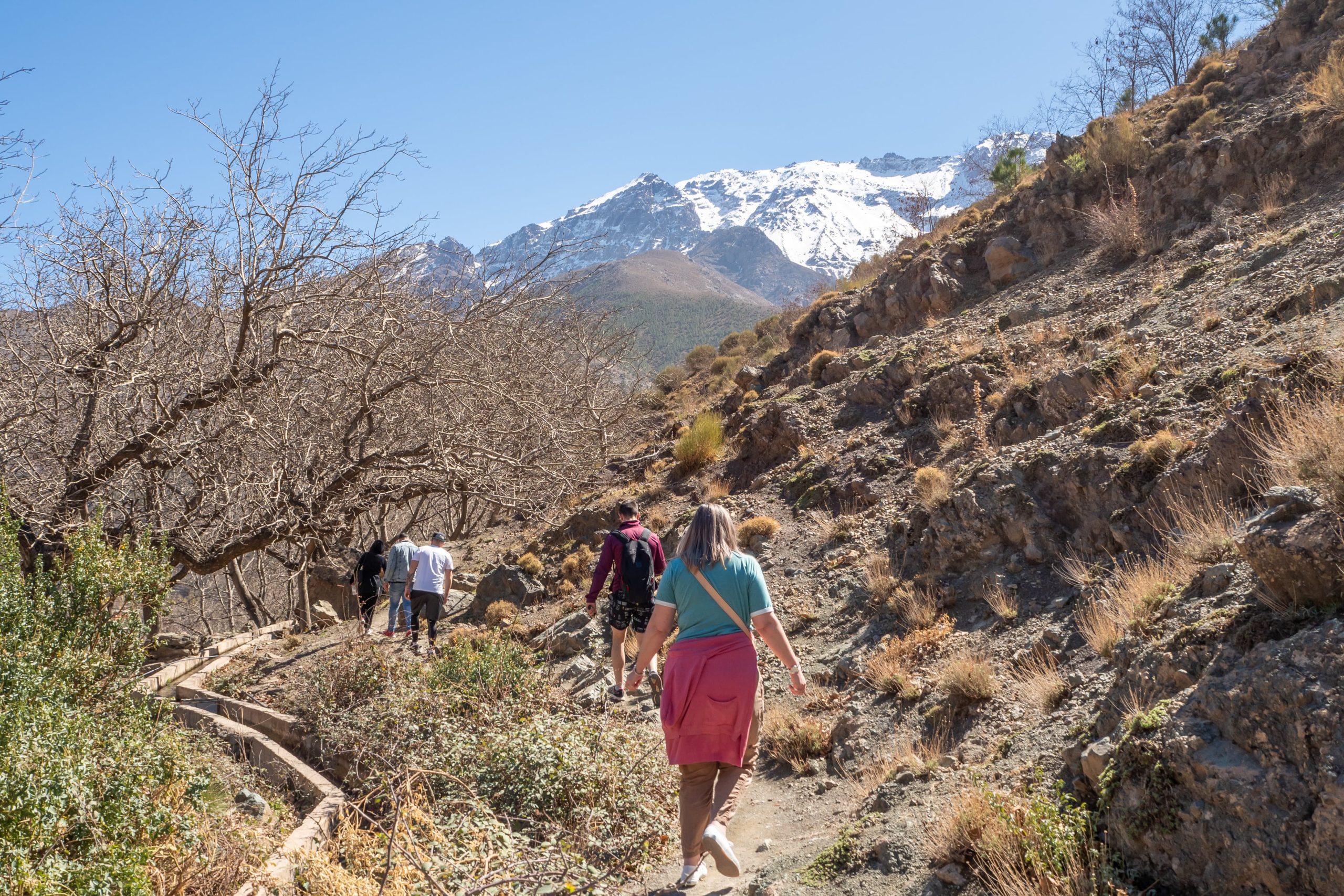
Trekking Atlas Mountains is not just an adventure — it’s a transformative journey into the heart of Morocco. From majestic snow-covered peaks and verdant valleys to warm encounters in traditional Berber villages, the High Atlas Mountains are a destination that awakens the senses and nourishes the soul.
Whether you’re seeking physical challenge, cultural immersion, or raw natural beauty, Trekking Atlas Mountains promises an unforgettable experience. Let us take you deep into the trails, traditions, and treasures that make this region one of the most magical trekking destinations in the world.
👉 Explore guided trekking experiences with local Berber experts:
🔗 https://trekkingatlasmountains.com
🌄 1. The Natural Wonder of the Atlas Mountains
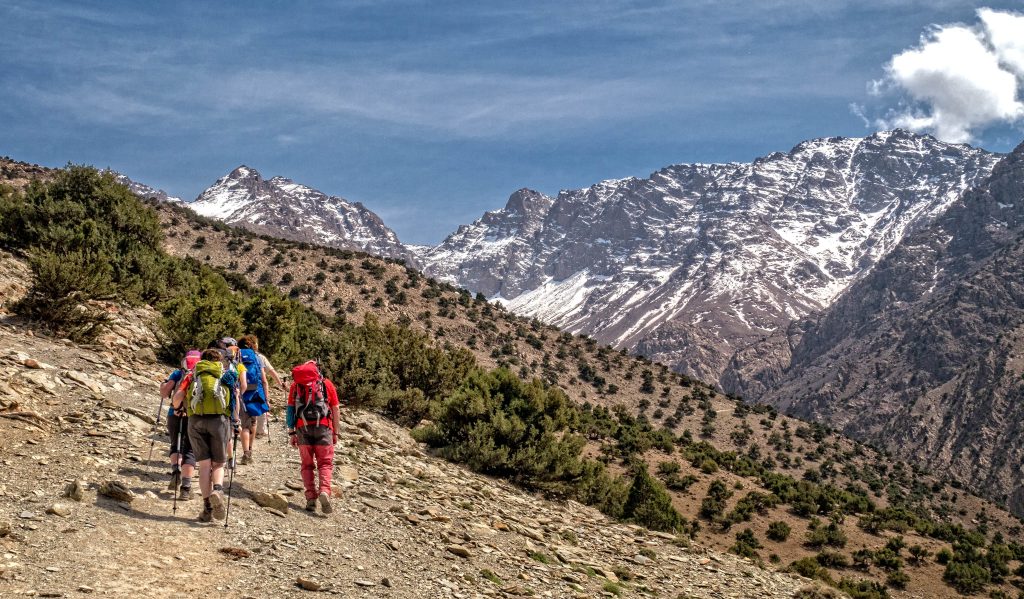
The High Atlas Mountains, North Africa’s most prominent mountain range, stretch over 700 km from the Atlantic coast to the edges of the Sahara. This vast wilderness showcases Morocco’s astonishing geographic diversity:
🏞️ Landscapes That Take Your Breath Away
Towering peaks like Mount Toubkal (4,167 meters), the highest point in North Africa
Hidden waterfalls cascading through rocky cliffs
Lush river valleys lined with fig trees, walnut groves, and blooming wildflowers
Expansive plateaus and panoramic views from high mountain passes
Each trail in the Atlas Mountains offers a new kind of beauty, changing with the seasons and altitudes. In spring, vibrant green fields and blooming almond trees dominate the landscape. In winter, snow covers the peaks in a white blanket of silence.
For nature lovers, photographers, or those seeking serenity, the Atlas Mountains are pure paradise.
🏘️ 2. Berber Villages: A Cultural Encounter Like No Other
The Amazigh (Berber) people have inhabited these mountains for thousands of years. As you trek through their lands, you’ll experience more than just scenery — you’ll step into a world of tradition, hospitality, and resilience.
👣 What You’ll Experience:
Stay in traditional Berber guesthouses built from earth and stone
Share mint tea and home-baked bread with your hosts
Hear stories passed down through generations
See daily life unfold as shepherds guide their flocks and women gather herbs
The simplicity of Berber mountain life — rooted in nature and community — offers a deep contrast to modern urban living. It’s a reminder of the beauty of slowness, connection, and tradition.
Trekking with local guides enhances this experience, offering insight into local customs, sacred places, and the best trails only locals know.

🥾 3. Trekking Routes for Every Type of Explorer
One of the most remarkable things about Trekking Atlas Mountains is the diversity of its trails. Whether you’re a seasoned hiker or just starting out, you’ll find a route that matches your level.
🗺️ Popular Trekking Routes:
🧭 1. Mount Toubkal Ascent (2–3 Days)
Perfect for adventure seekers
Challenging climb to North Africa’s highest peak
Start from Imlil, passing Sidi Chamharouch and staying overnight in the Toubkal Refuge
🌄 2. Imlil to Azzaden Valley (3–5 Days)
Ideal for those who prefer quiet trails
Discover deep valleys, waterfalls, and peaceful Berber hamlets
Moderate difficulty with cultural immersion
🏞️ 3. Ourika Valley Day Hike
Easy, family-friendly option
Scenic views, waterfalls, and a relaxing picnic spot
Suitable for day-trippers from Marrakech
🐾 4. Long-distance Adventure Treks (5–10 Days)
Traverse from the High Atlas to the Anti-Atlas
Cross high mountain passes and remote villages
Great for experienced trekkers seeking off-the-beaten-path exploration
💡 Tip: Most treks start from the mountain village of Imlil, just 1.5 hours from Marrakech.
📅 4. When Is the Best Time to Go Trekking in the Atlas Mountains?
The Atlas Mountains are a year-round destination, but conditions vary greatly with the seasons.
| Season | Conditions |
|---|---|
| Spring (March–May) | Blooming landscapes, fresh weather, ideal for most treks |
| Summer (June–August) | Hot in lower altitudes but pleasant in the high mountains |
| Autumn (Sept–Nov) | Clear skies, golden light, and fewer tourists |
| Winter (Dec–Feb) | Snow-covered peaks, ideal for winter treks and ski touring (with guides only) |
If you’re planning a Toubkal summit, we recommend late spring to early autumn for the safest and most enjoyable conditions.
🎒 5. What to Pack for Your Trek
Preparation is key to enjoying your trek. Here’s a list of essentials you should bring:
✅ Essentials:
Durable, waterproof hiking boots
Layered clothing (temperature varies greatly)
Sun protection: hat, sunglasses, SPF
Reusable water bottle or hydration bladder
Lightweight sleeping bag (depending on the season)
Snacks and energy bars
Headlamp or flashlight
Personal medication
🎒 For multi-day treks, your luggage can often be carried by mules. Many guided packages include meals, tents, and even cooking support.
🧭 6. Why Trek With Local Berber Guides?
While it’s possible to hike independently, trekking with experienced local guides provides many advantages:
💬 Benefits of Booking with a Local Guide:
Local knowledge: They know the best and safest routes, shortcuts, and viewpoints
Cultural insight: Learn about the local way of life, customs, and history
Logistics support: Guides often arrange transport, food, accommodation, and mules
Community support: Your booking supports local families and preserves rural life
Book your adventure directly with experienced locals:
🔗 https://trekkingatlasmountains.com
A Life-Changing Journey Awaits
The magic of trekking Atlas Mountains lies in the unique blend of natural wonder, cultural authenticity, and personal challenge. It’s a journey that tests your limits while rewarding you with beauty, insight, and deep connection — both with nature and the people who call these mountains home.
Whether you hike for one day or one week, you’ll leave the Atlas Mountains transformed — with stories to tell, friendships made, and a renewed sense of wonder.
🔗 Begin your journey today:
Explore authentic treks guided by locals at
👉 https://trekkingatlasmountains.com

 Previous Post
 Next Post